

Underwater Whale Photography with the Sigma 14mm F1.4 DG DN Art Lens - Lens review
I originally published this review on the SIGMA Photos website. You can find the original article here:
Full Disclaimer: SIGMA was kind enough to give me this lens in exchange for this article and photo gallery.
Sigma 14mm F1.4 DG DN | Art Review for Underwater Photography & Filmmaking
Field-Tested with Whales in the South Pacific & Caribbean
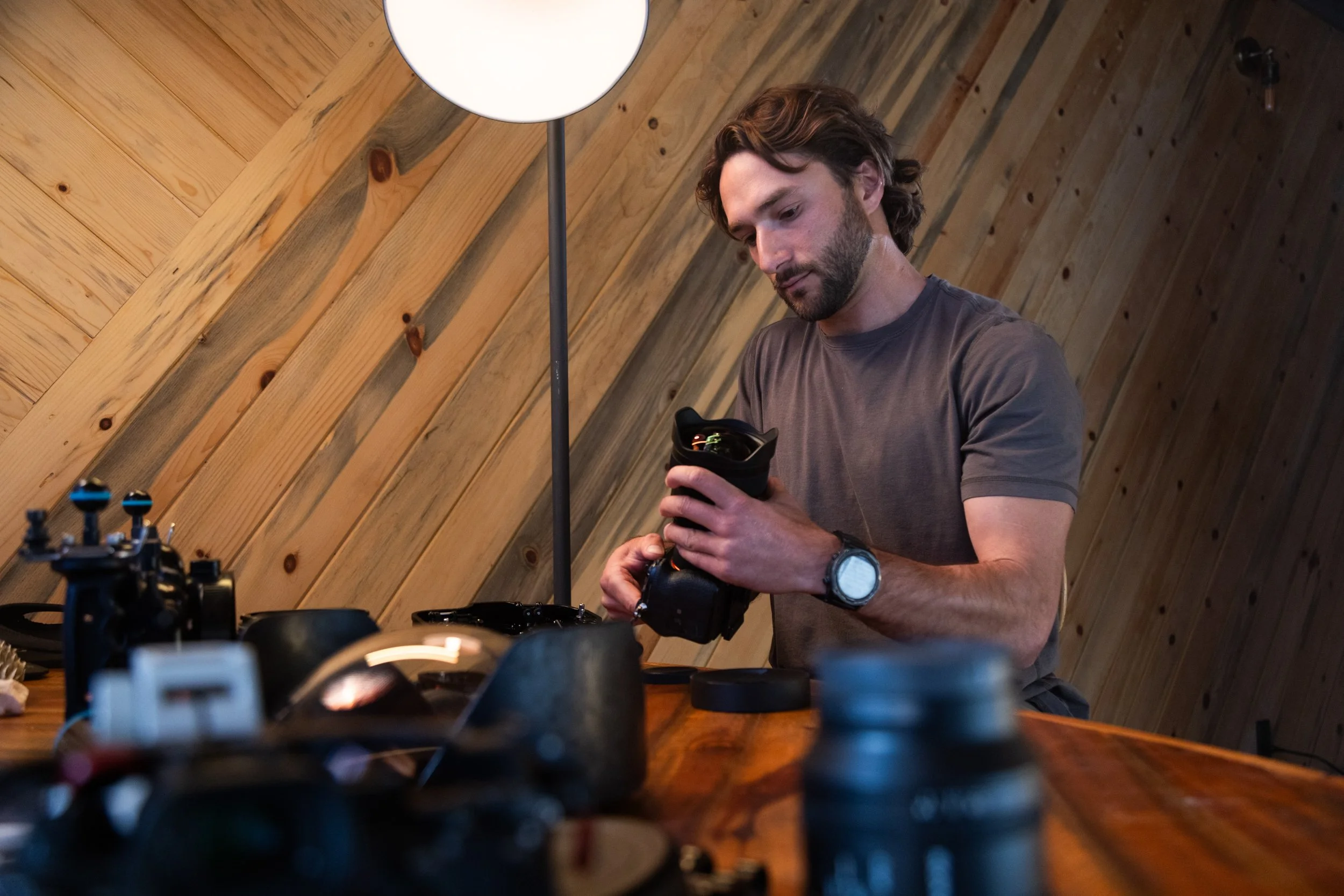
After returning from two months of guiding, photographing, and filming ethical ocean safaris in the South Pacific and Caribbean, I had the opportunity to extensively field-test the Sigma 14mm F1.4 DG DN | Art in some of the most demanding underwater environments on Earth.
I work with Just the Wild, a company specializing in ethical in-water whale and marine megafauna encounters, and I also operate as a professional underwater photographer and adventure filmmaker. Prior to this expedition, I felt my underwater imagery had plateaued aesthetically. I wanted a lens that could push my work further—something few underwater shooters were using.
That search led me directly to the Sigma 14mm F1.4 DG DN | Art.
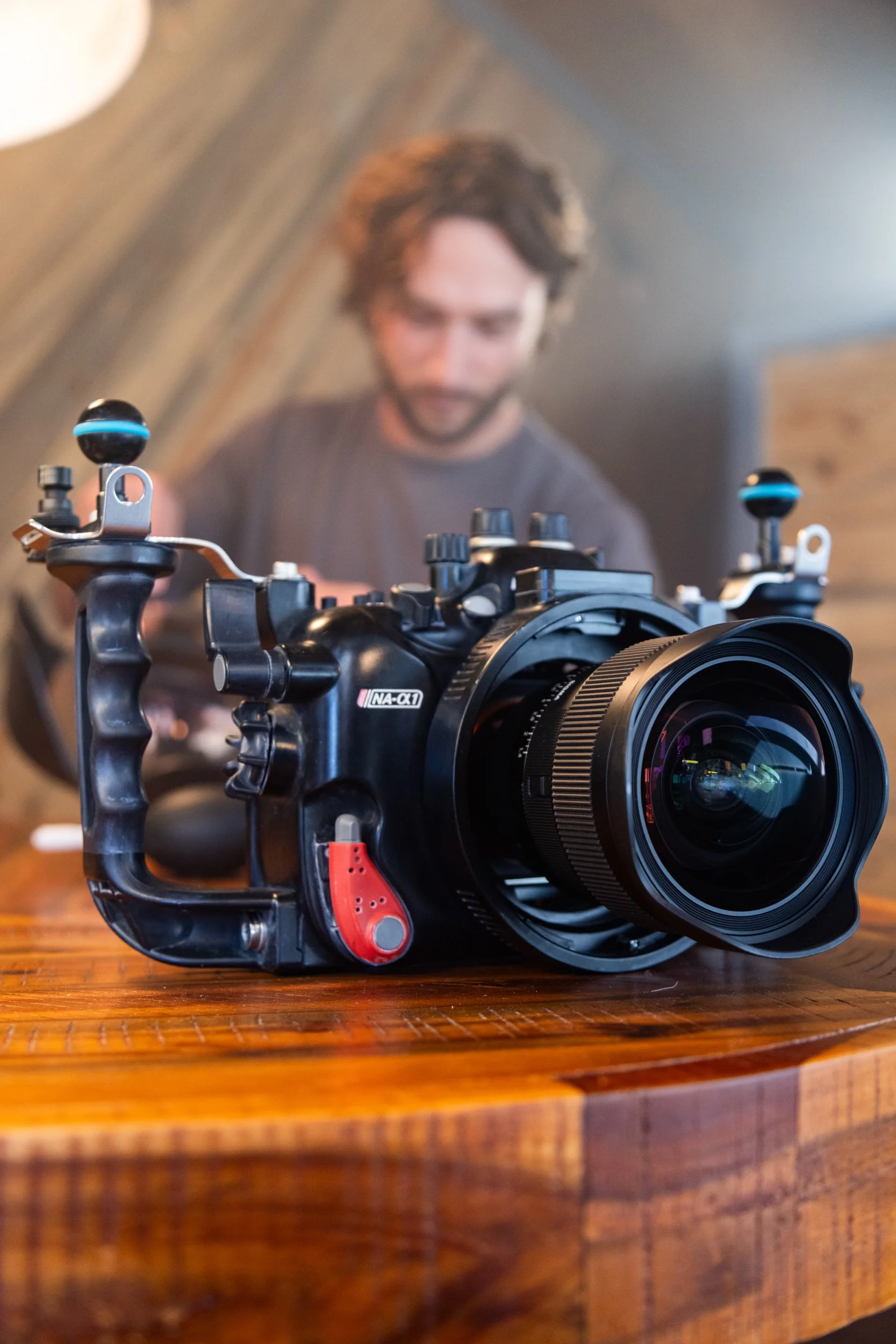
The SIGMA ART 14mm F1.4 DG DN Housed in a Nauticam A1 housing.
Why the Sigma 14mm F1.4 Stands Out for Underwater Photography
Although this lens was originally designed with astrophotography in mind, the overlap between night-sky imaging and underwater photography is substantial. Both disciplines demand:
Ultra-wide focal lengths
Exceptional low-light performance
Fast, reliable autofocus
Extreme edge-to-edge sharpness
The Sigma 14mm F1.4 delivers on all fronts.
My Underwater Camera Setup
For nearly all whale and large marine animal encounters, my setup remains consistent:
Camera: Sony Alpha 1
Housing: Nauticam A1
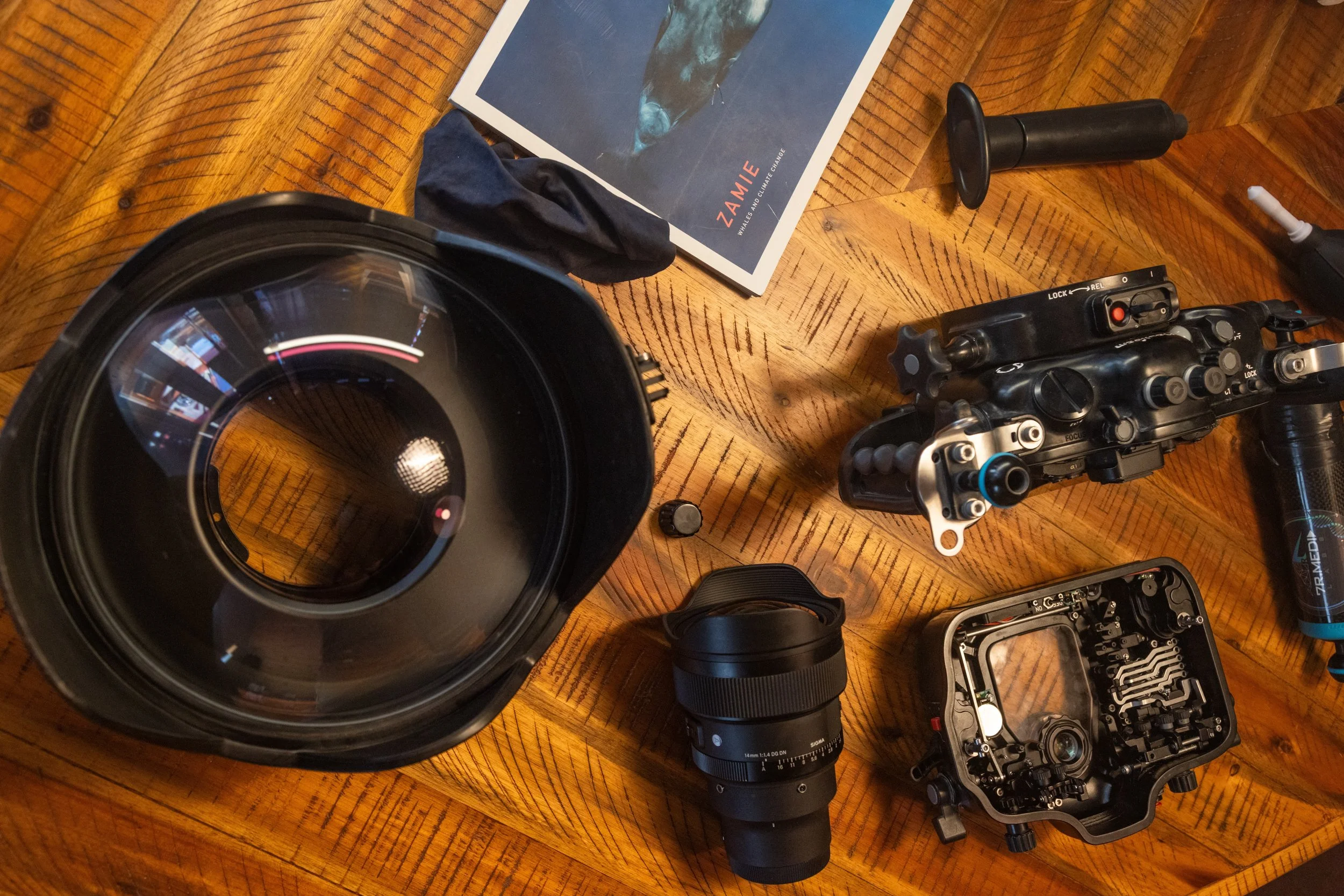
Port: Nauticam 230mm dome port
When photographing large subjects like humpback whales, consistency in lens choice and port spacing is critical for maximizing sharpness and minimizing distortion.
Underwater Housings & Gear Recommendations
For photographers entering underwater imaging, there are excellent housing options available today. I’ve personally seen strong results from:
Nauticam
Marelux
Isotta
Aquatica
Sea Frogs (entry-level)
A vacuum system is non-negotiable. After losing multiple cameras early in my career, I can confidently say this feature alone is worth the investment.
I also recommend working with experienced retailers like Reef Photo & Video (an authorized Sigma dealer) to ensure proper dome port and extension ring selection, which directly impacts corner sharpness—especially with ultra-wide lenses like the 14mm.
Recommended Camera Settings for Whale Photography
While underwater settings should always adapt to subject and conditions, these settings cover roughly 98% of my whale encounters:
Shutter speed: 1/800s or faster
Aperture: f/8–f/11 (depending on light)
ISO: Auto (capped at ISO 6400)
Modern mirrorless sensors handle higher ISO extremely well. Limiting Auto ISO allows me to focus on composition and behavior, which is critical during unpredictable in-water encounters.
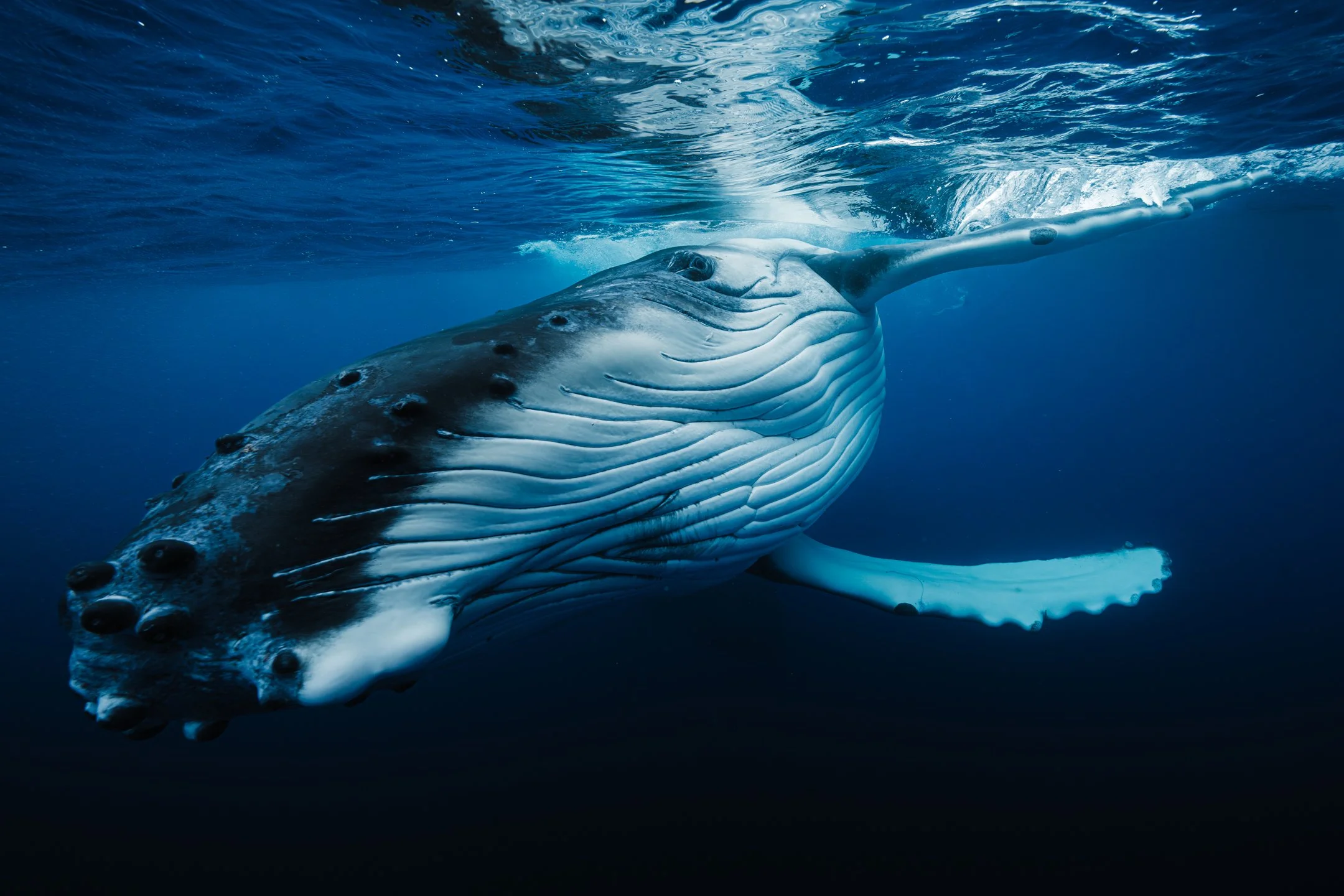
14mm F1.4 DG DN | Art
Sony A1
F10, 1/640s, ISO 3200
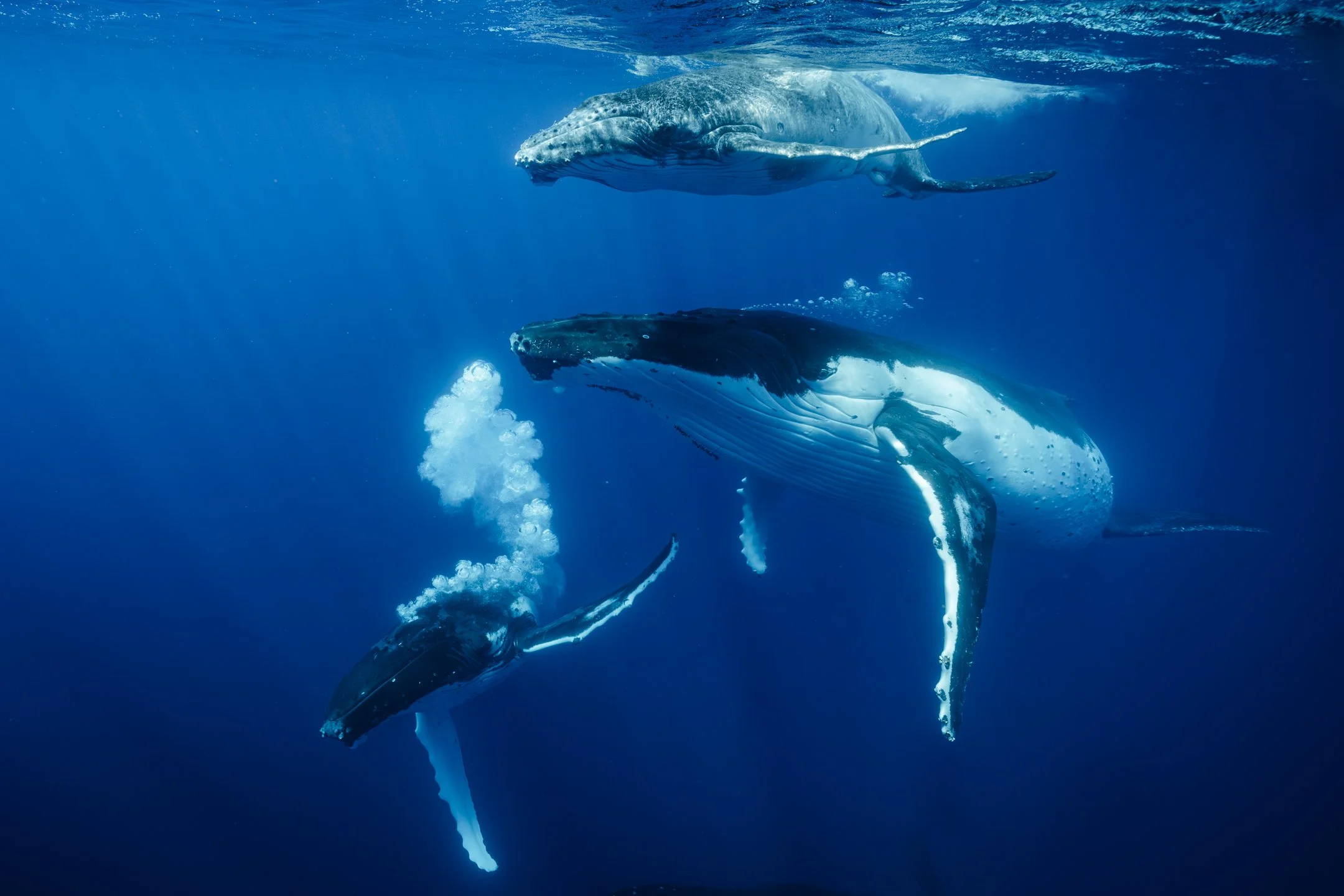
14mm F1.4 DG DN | Art
Sony A1
F10, 1/800s, ISO 1600
Build Quality & Weather Resistance
The first thing that stands out about the Sigma 14mm F1.4 is its exceptional build quality. From the sculpted front element to the tactile aperture ring, this lens feels purpose-built for extreme environments.
Designed to endure long nights under open skies, the lens offers impressive weather sealing, which provides peace of mind when opening housings on wet, moving boats—something underwater shooters know all too well.
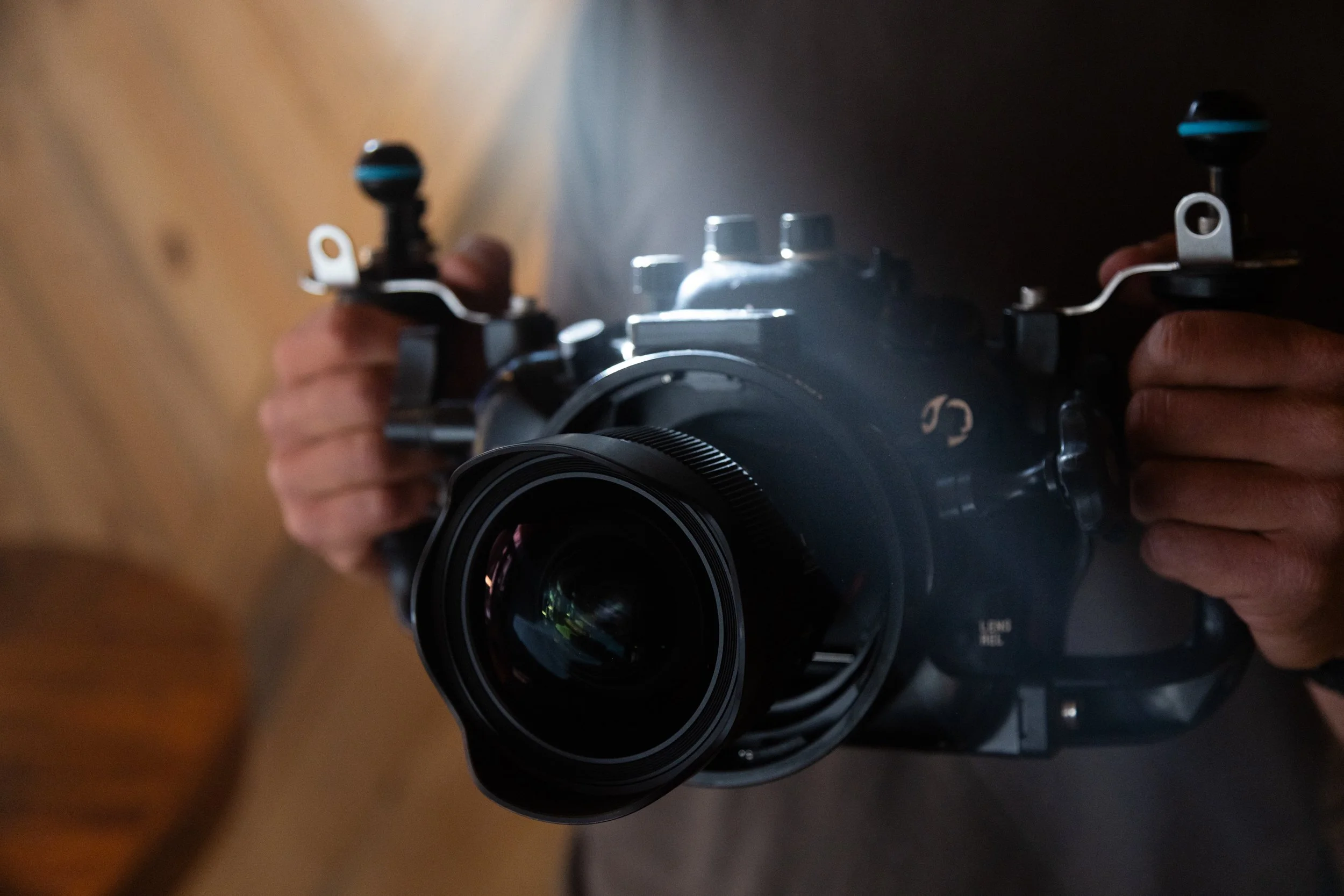
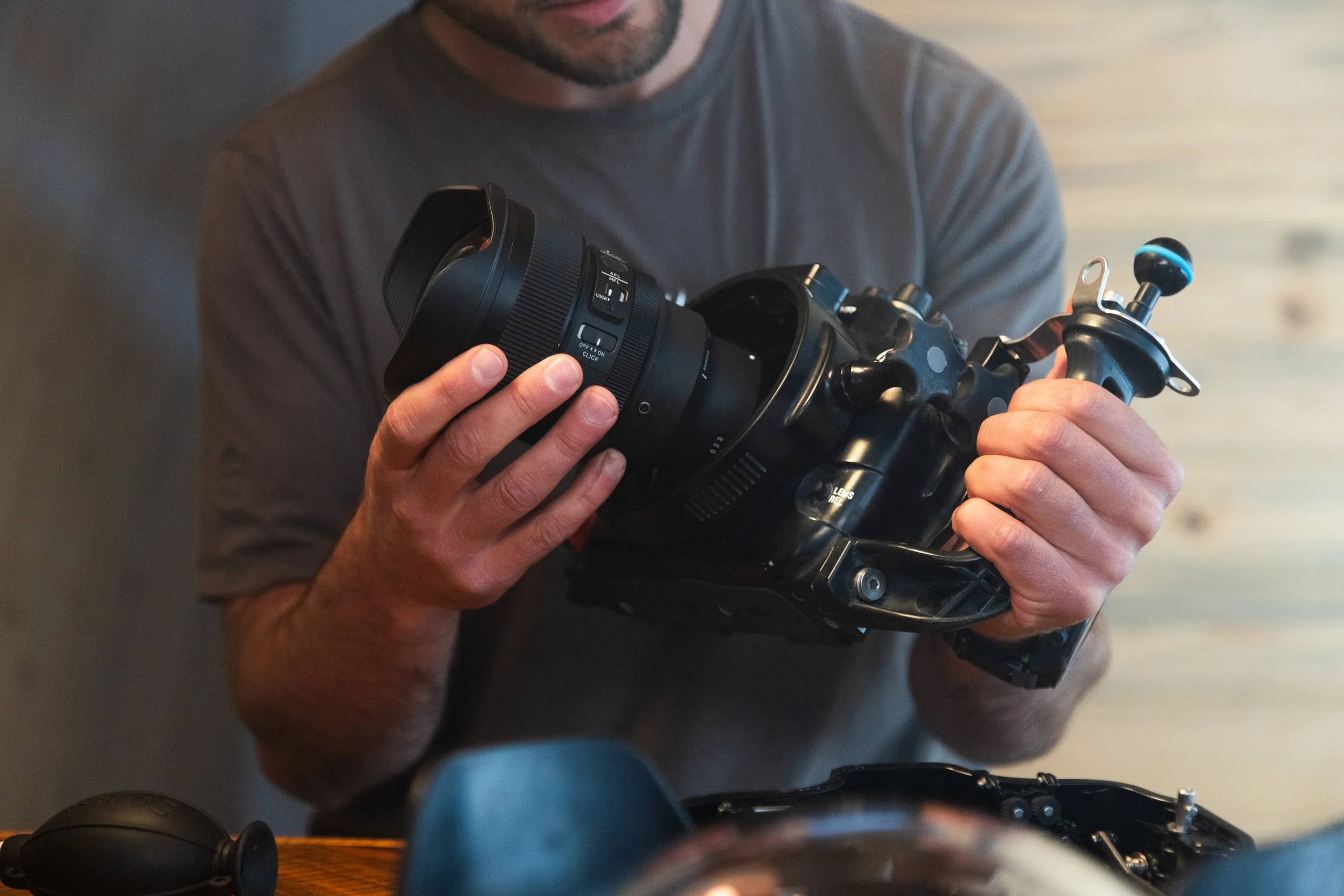
The Sigma 14mm F1.4 DG DN | Art is built with extreme environments in mind, even without a housing like this.
Ultra-Wide Focal Length for Close-Focus Megafauna
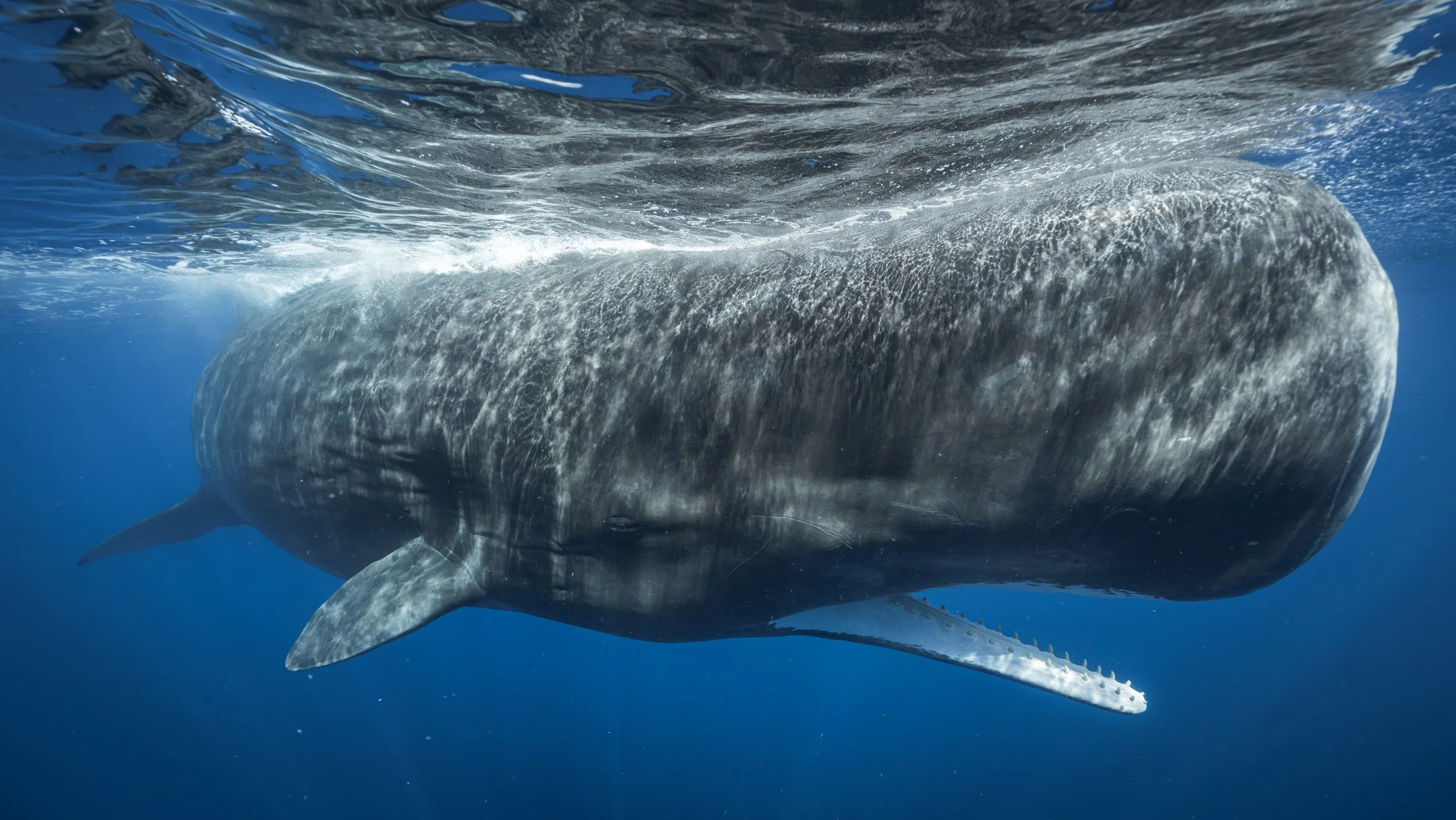
With a 114-degree field of view, the Sigma 14mm is ideal for underwater photography, where minimizing water between lens and subject is essential for preserving color and contrast.
When working inches away from a 35-foot-plus Sperm Whale, this lens ensures the entire animal remains in frame—without sacrificing perspective or presence.
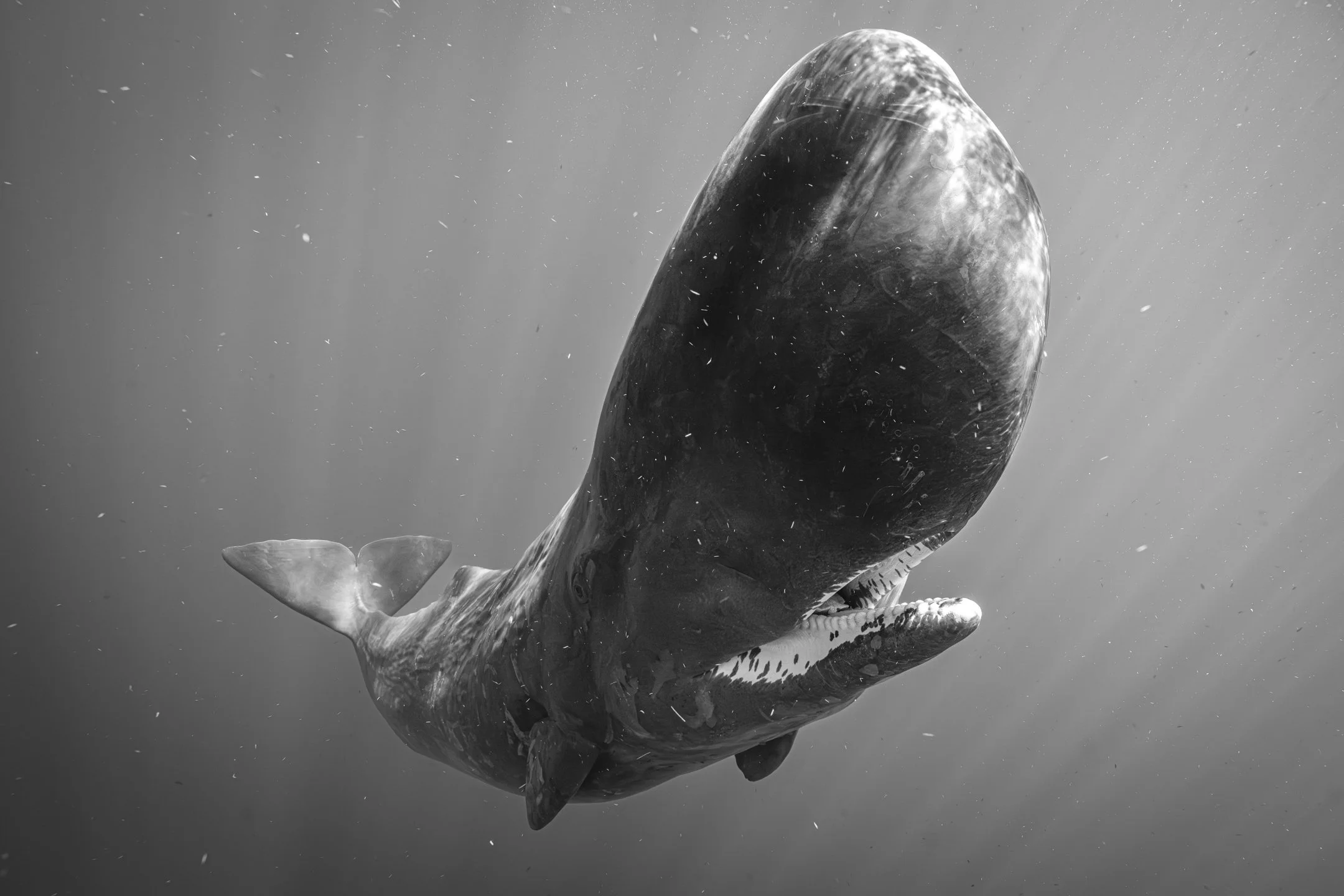
14mm F1.4 DG DN | Art
Sony A1
F9, 1/640s, ISO 2500
F1.4 Aperture for Underwater Video
While most underwater stills are shot at smaller apertures, the f/1.4 aperture is a major advantage for underwater video.
When filming without artificial light—especially in darker water or later in the day—the ability to open up to f/1.4 allows me to continue shooting while maintaining manageable ISO levels.
New optical solutions like Nauticam WACP ports are pushing underwater image quality even further, enabling sharper results at wider apertures. While a dedicated WACP solution doesn’t yet exist for the 14mm, Nauticam’s continued innovation suggests it may be on the horizon.
A juvenile humpback arcs and twists at the water’s surface, fins flashing white as sunlight glances off a lacquered body. Beneath him, the massive silhouette of his mother holds steady—anchoring, guiding—her eye watchful and patient. Each breaching turn and playful slap is both rehearsal and lesson: the calf practices the graceful power that will carry them across oceans while the mother’s presence reminds us of the quiet, enduring bonds that shape a life at sea. The scene is raw, intimate, and elemental—a brief, joyful choreography between generations against a vast blue canvas.
Extreme Sharpness & Crop Flexibility
I’ll admit it—I’m a sharpness snob.
One of the primary reasons I transitioned from a 16–35mm zoom to a fixed 14mm prime was optical performance. The Sigma 14mm F1.4 is exceptionally sharp, and that sharpness translates beautifully underwater.
Because the lens remains at a constant distance from the dome port, it avoids the optical compromises introduced by zoom lenses. This allows for heavy cropping while retaining fine detail—down to sea lice and skin texture on whales.
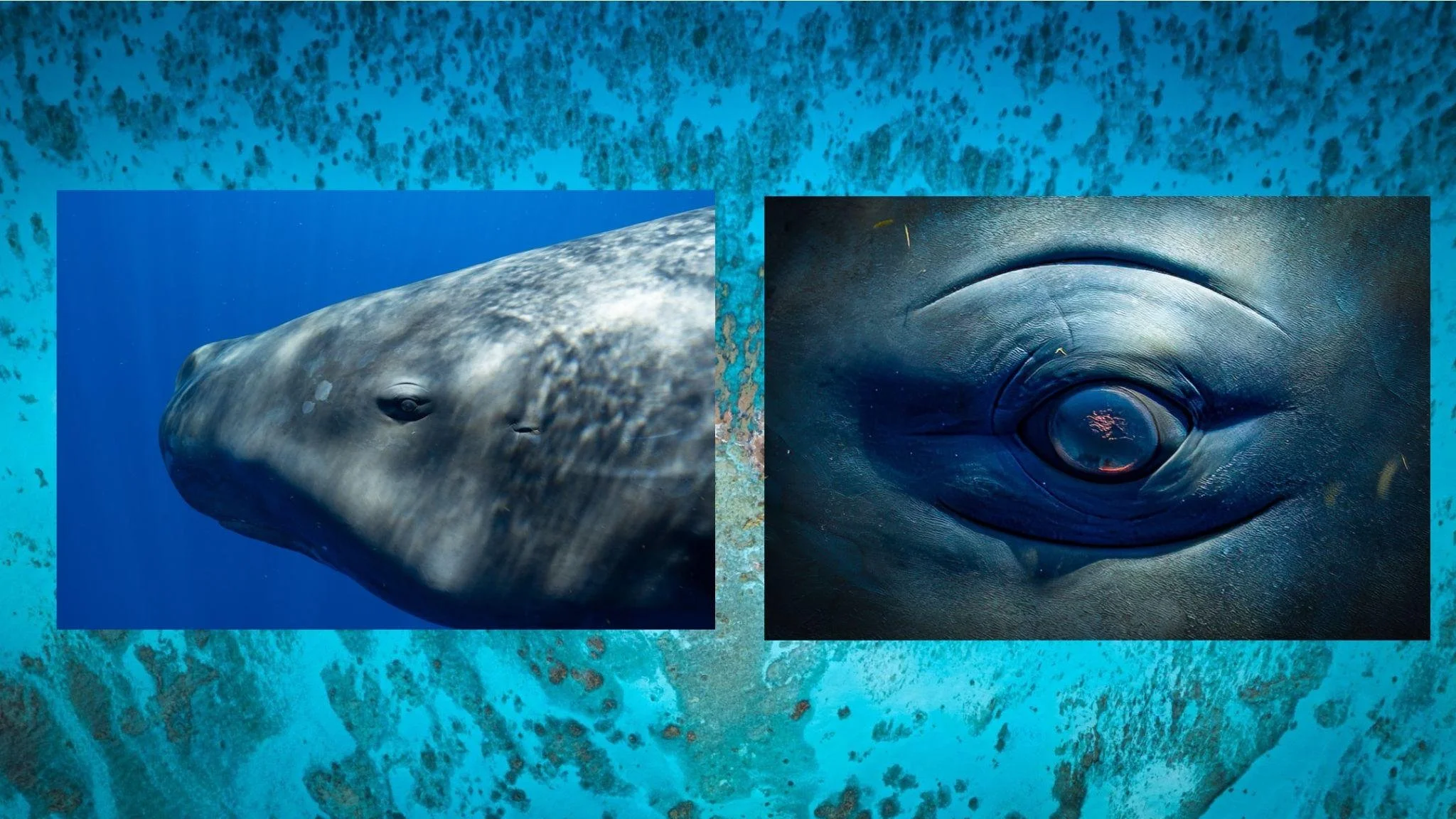
Showing the sharpness of the lens when cropping an extreme amount
Edge-to-Edge Image Quality Underwater
Soft edges are one of the biggest challenges in underwater photography. The Sigma 14mm excels here.
During my first day shooting with this lens, I photographed a humpback calf mere inches from the dome. Upon review, edge detail was preserved at a level I hadn’t experienced before—noticeably superior to fisheyes and wide zooms.
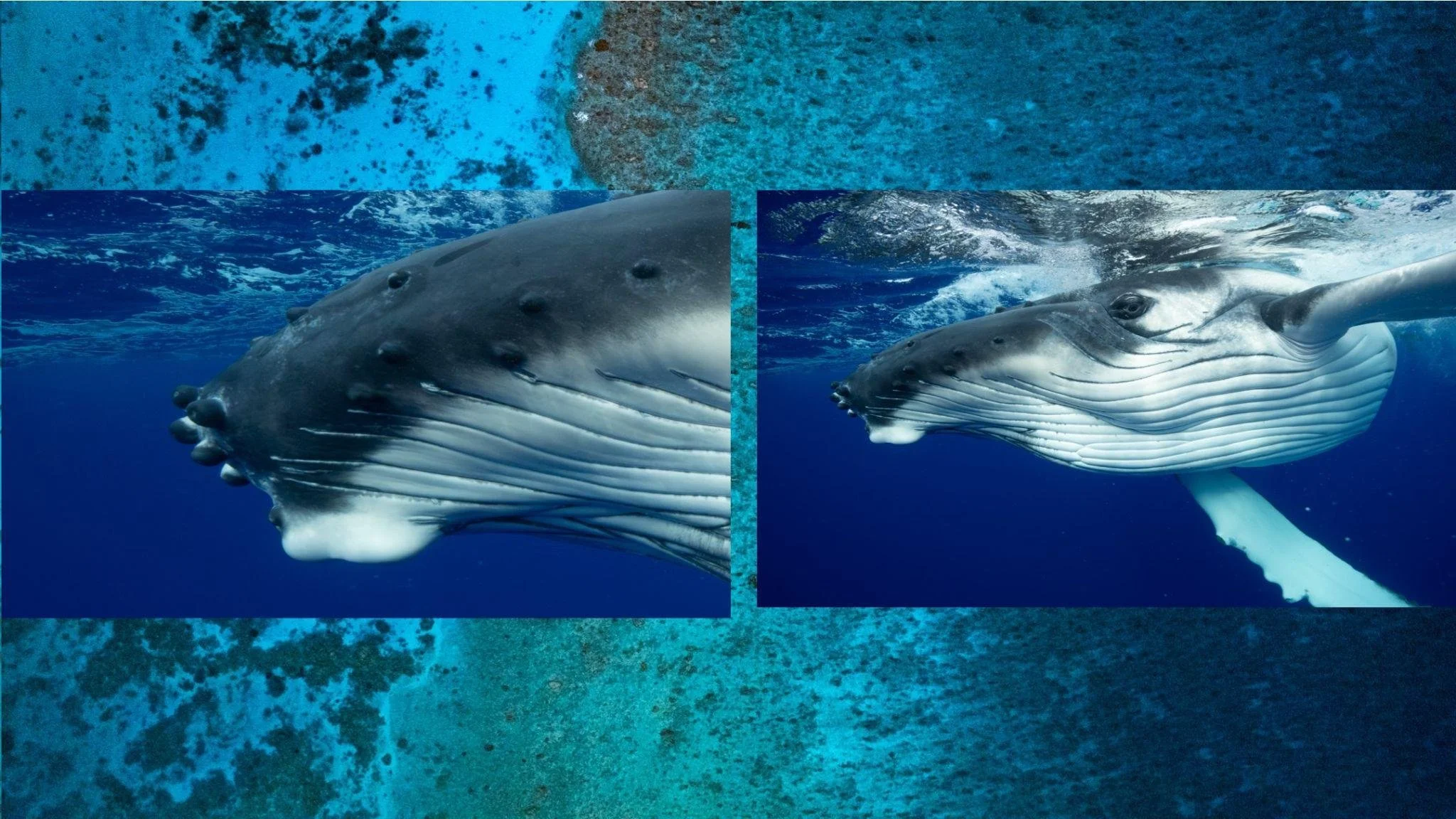
This crop showcases the detail preservation within the edges of the image
Autofocus Performance in Real-World Conditions
Autofocus performance is nothing short of flawless.
Using continuous AF with the Sony Alpha 1, I captured over 20,000 images during this expedition without a single missed focus moment. In wildlife photography, where every interaction is fleeting, this reliability is invaluable.
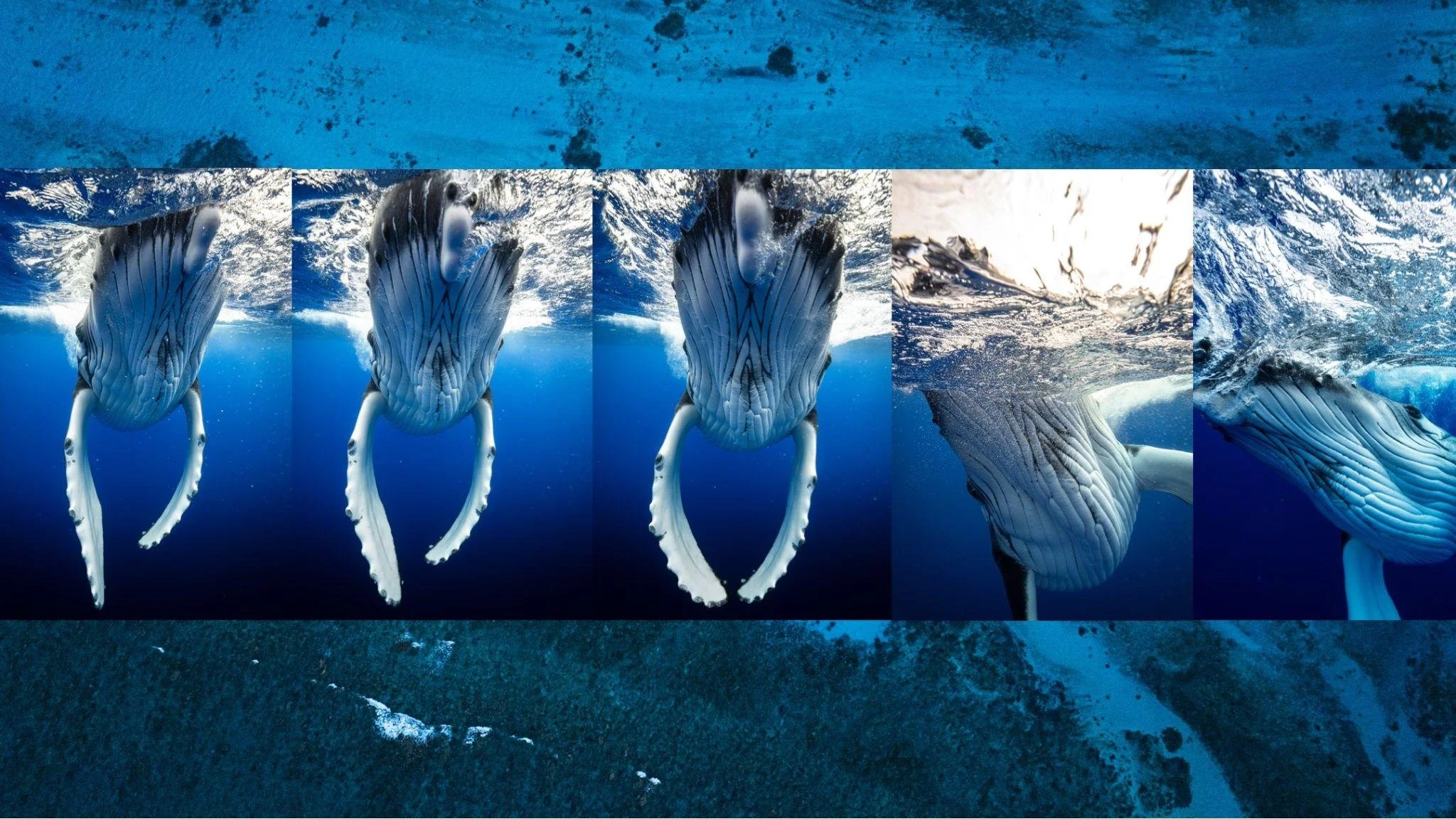
14mm F1.4 DG DN | Art Autofocus is spot on in virtually any situation.
Final Thoughts: Is the Sigma 14mm F1.4 Worth It for Underwater Photography?
The most compelling quality of the Sigma 14mm F1.4 DG DN | Art is the dimensionality it brings to underwater imagery. The images feel immersive—almost three-dimensional.
After sharing early footage with a colleague, their response summed it up perfectly:
“That whale looks like it’s about to pop out of the screen.”
That depth and realism were exactly what I’d been missing.
If you’re an underwater photographer or filmmaker seeking maximum sharpness, flawless autofocus, and a unique visual aesthetic, the Sigma 14mm F1.4 DG DN | Art is an exceptional choice—and it has officially become my go-to workhorse lens for future underwater expeditions.
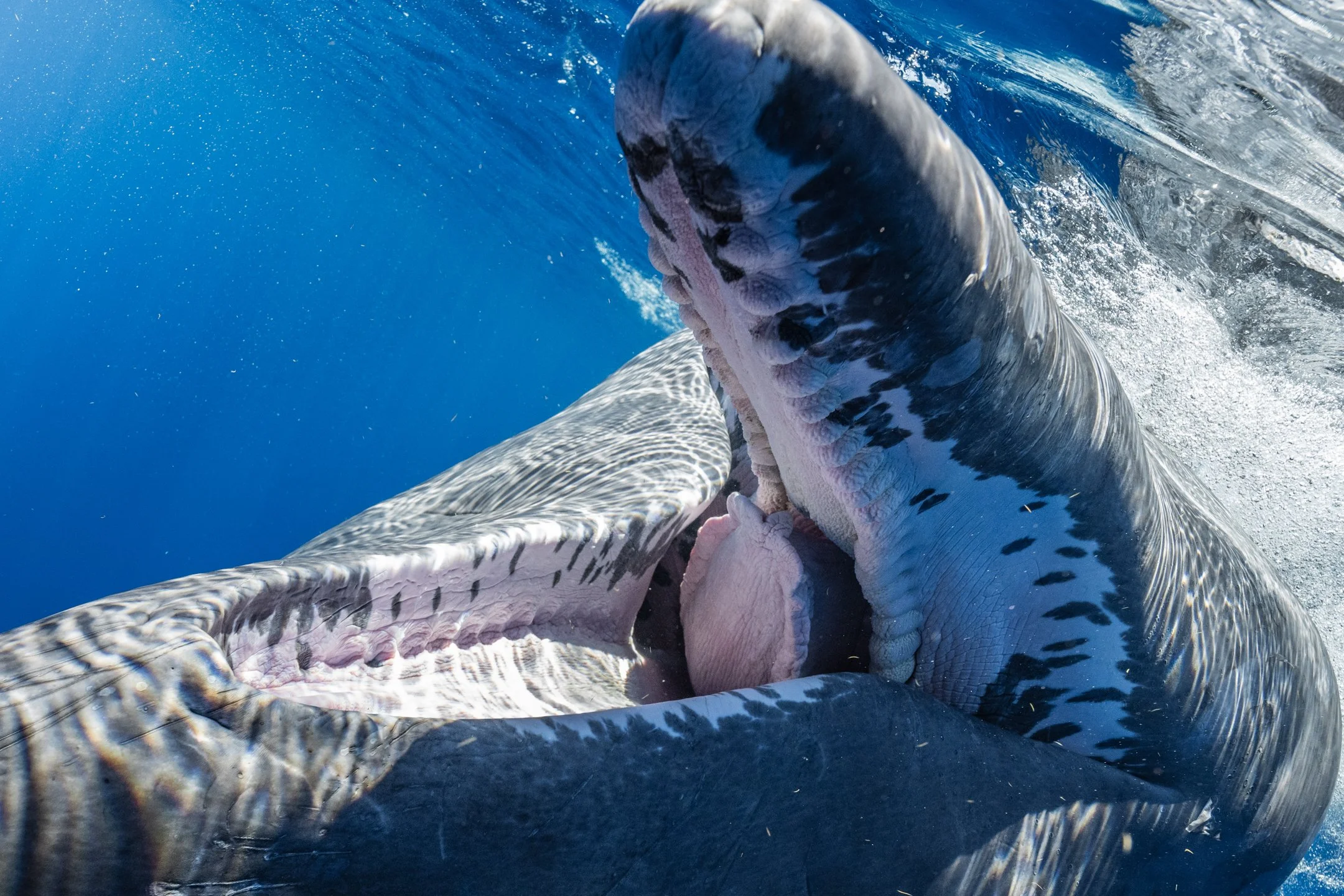
The inside view of a juvinile sperm whale mouth from the perspective of the 14mm F1.4 DG DN | Art
